Free Fire Esports in 2026: What the 2024 FFWS Roadmap Still Teaches
Free Fire esports' 2024 roadmap rebranded regional leagues as FFWS, added a mid-year international event, and kept the November Global Finals.
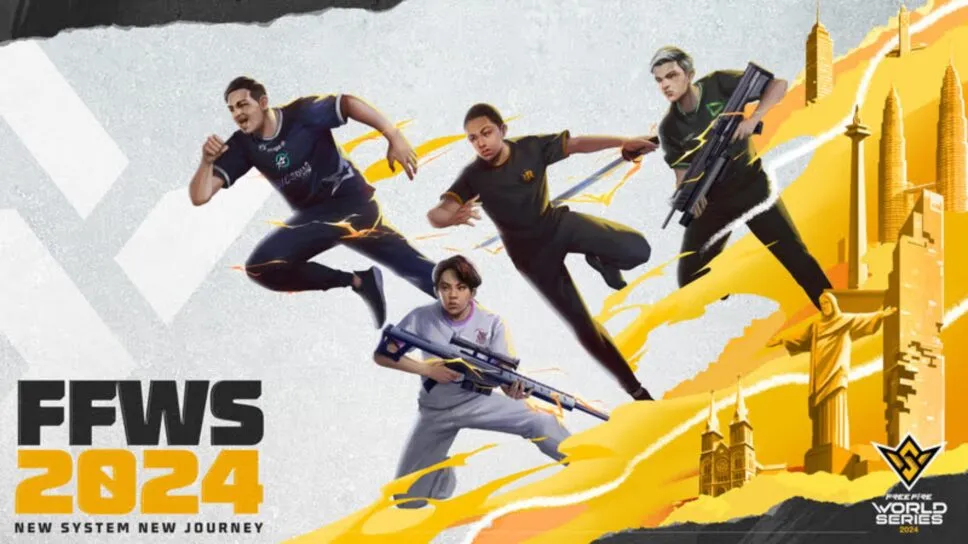
Free Fire esports walked into 2024 with a roadmap that felt less like a victory lap and more like a reset button. Garena rebranded the regional leagues under the FFWS banner, split the year into two seasons, and placed a mid-year international tournament between the regional grind and the traditional Free Fire World Series Global Finals. Seen from 2026, that plan reads like a time capsule: a mobile scene trying to steady itself while the numbers told a tougher story.
The regional map got a new coat of paint
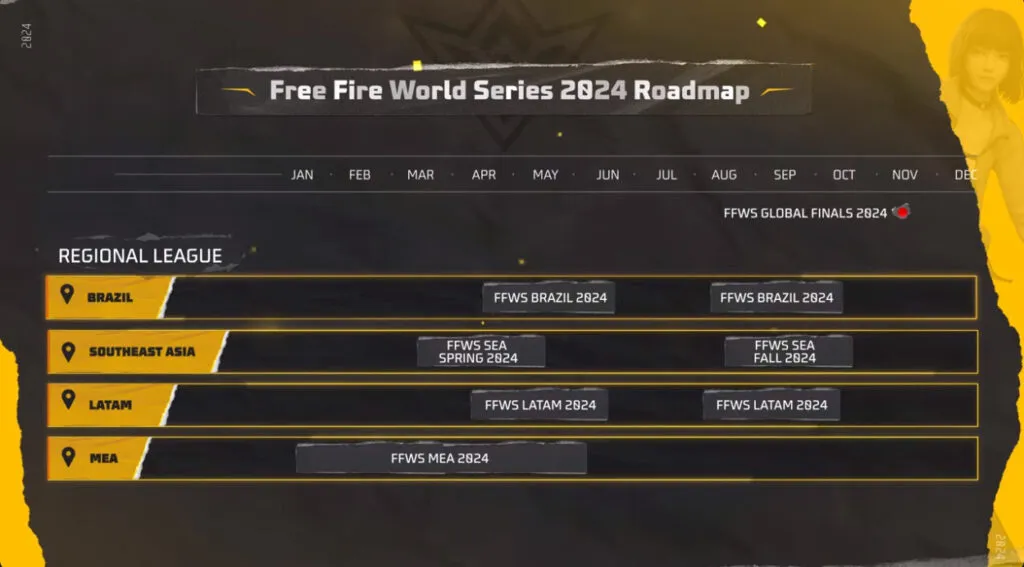
The first big move was simple on paper. Regional leagues became FFWS leagues. The main lineup was FFWS Brazil, FFWS SEA, FFWS LATAM, and FFWS MEA. Each league had its own start date, which gave the calendar a staggered rhythm instead of one crowded global launch. The scene was holding its breath — would a fresh name change actually mean a fresher structure?
| League | Region |
|---|---|
| FFWS Brazil | Brazil |
| FFWS SEA | Southeast Asia |
| FFWS LATAM | Latin America |
| FFWS MEA | Middle East and Africa |
The answer was a cautious yes. Two seasons per regional league gave teams more room to build form, recover from a bad split, and tell a longer story to fans. It also gave organizations a clearer planning window. In mobile esports, that matters. A calendar that breathes is a calendar that can sell sponsorships, retain players, and keep viewers from drifting away.
The mid-year tournament was the shiny new piece
Garena did not reveal every detail about the July tournament, but the outline was clear enough to raise eyebrows. Eighteen teams were set to compete, drawing from the best sides in FFWS SEA Spring, FFWS Brazil, FFWS LATAM, and representatives from MEA and Pakistan. The winner would lock in a place at the FFWS Global Series 2024. That is a real prize, not a cosmetic one.
Here’s the kicker: a mid-year international event can do something regional leagues cannot. It creates a shared moment. Fans from different regions get to argue about strength, style, and seeding. Players get a stage that feels bigger than the weekly grind. Even without a full reveal, the promise of 18 teams was enough to give the first half of the year a destination.
The Global Finals kept its November window
The year was still set to end with the traditional Free Fire World Series Global Finals. The 2024 Global Series had no confirmed location at the time, only a November window. That uncertainty was not ideal, but the history was undeniable. The 2023 edition went to the Brazilian squad Magic Squad. The 2022 edition went to Attack All Around. Those names gave the global stage a sense of lineage.
The backdrop was not pretty
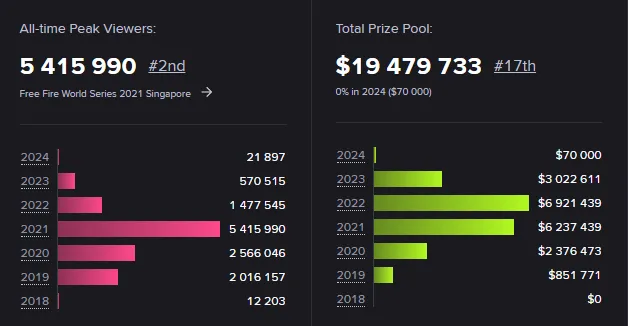
After several years in the mobile spotlight, Free Fire Esports was in decline. The number of competitions fell. Viewership fell. The numbers spoke for themselves, and they were not kind. Garena’s lack of information around esports drew sharp criticism from organization owners. Some organizations that were born in Free Fire walked away from the scene. That stung.
To be fair, the 2024 roadmap gave the scene something to point at. A fuller calendar and ESL’s entry into the picture were positioned as oxygen. ESL planned a Free Fire LAN event in São Paulo, Brazil, in April. A third-party LAN in a major market can widen the tent, bring in new viewers, and remind everyone that Free Fire is not only a regional story.
What 2026 readers should take away
By 2026, the esports world has more mobile options, shorter attention spans, and louder creator-led events. The 2024 roadmap is not a magic spell. It is a checklist.
-
🎯 Rebranding alone does not fix a scene. Structure has to follow the logo.
-
🗓️ A mid-year international event gives the season a spine.
-
📣 Communication is a competitive advantage. Silence invites distrust.
-
🌎 Third-party LANs can add energy, but they cannot replace a healthy core circuit.
-
🧠 Regional leagues need local stars, clear stakes, and consistent scheduling.
The 2024 FFWS roadmap carried a promise: more chances, more clarity, more international bridges. In 2026, that promise is still the right benchmark. Did the scene get clearer communication? Did the mid-year tournament create real stakes? Did regional leagues build stars fans could follow beyond one split? Those questions matter more than any single announcement. A roadmap can announce a season. It cannot manufacture trust.