Free Fire’s Garena Era: A Player’s Look Back at a 2018 Turning Point
Free Fire news: Garena's 2018 letter marked its rise as a top mobile battle royale, powered by fast play and accessible design.
Looking back from 2026, I still think the most important Free Fire news of the modern era arrived in a surprisingly quiet package: a letter to players dated January 15, 2018. I was one of those players. I had already spent months dropping into matches, learning the map, and arguing with friends about the best landing spots, but that letter made the game feel bigger than my own squad. It was a public statement that the community had helped push Free Fire – Battlegrounds into a new phase.

The headline numbers in that letter were hard to ignore. As of January 14, 2018, Free Fire had become the number one mobile game in 22 countries and was among the top five mobile games in more than 50 countries, either on the iOS App Store or on Google Play Store. For a regular player, those rankings were not just bragging rights. They explained why lobbies felt busy, why updates kept arriving, and why the game seemed to be building momentum at a pace that few mobile battle royale titles could match at the time.
What I remember most, though, was the tone. The Free Fire team did not present the milestone as a purely corporate win. It thanked players first, then described how a small development team at Garena had gradually evolved the game to meet the high standards of Garena titles. That detail mattered to me because Free Fire never felt like a polished product that had been handed down from above. It felt like a scrappy project that grew in public, with players testing it, criticizing it, and sticking with it through rough edges.
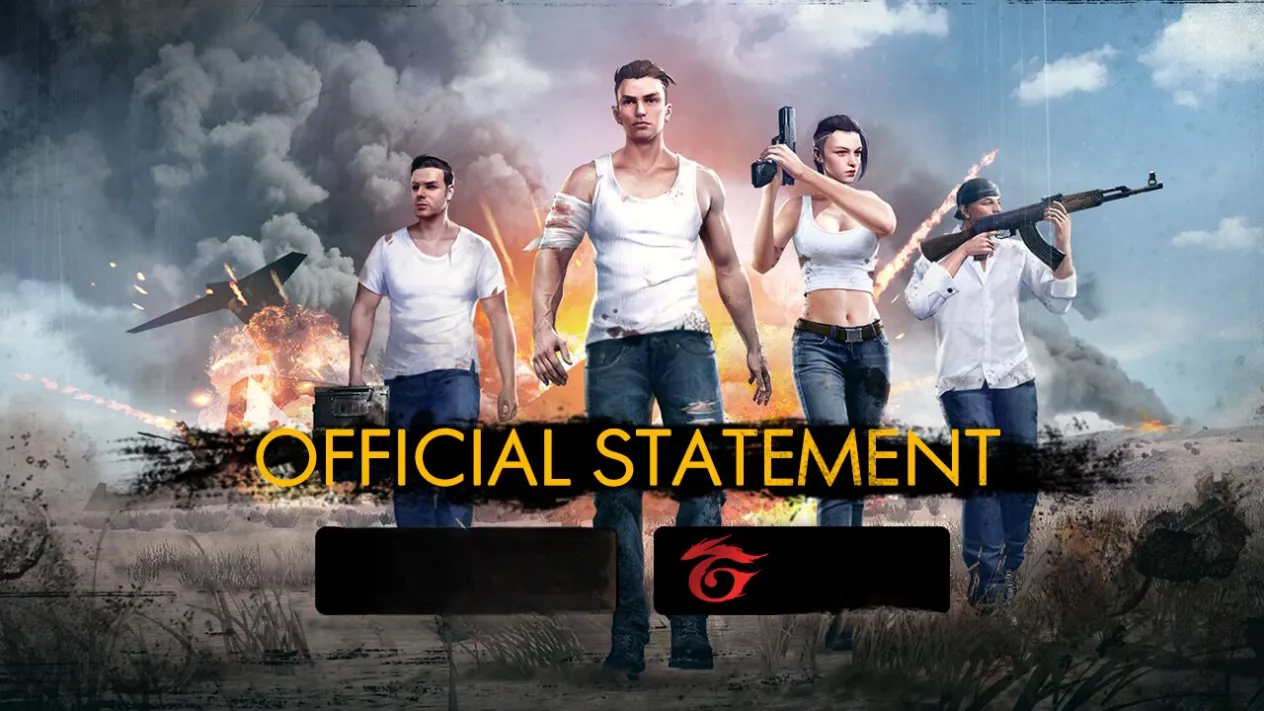
The letter also confirmed something that was easy to feel in matches but harder to prove from the outside: Free Fire was officially published under the Garena brand. For players, the promise was a higher level of service and commitment from the wider Garena team. I did not read that as a marketing slogan. I read it as a signal that the game would receive more support, more stability, and a clearer long-term direction.
From my perspective as a regular player, the timing made sense. In early 2018, battle royale was exploding, and mobile players wanted a version that did not demand a high-end device or perfect internet. Free Fire’s identity was already clear:
-
🎮 Fast game pace — matches moved quickly, so a bad drop did not ruin an entire evening.
-
📱 Intuitive controls — the touch layout was simple enough for new players to understand without a tutorial marathon.
-
🖥️ Smooth graphics optimized for most devices — the game looked clean without asking too much from ordinary phones.
Those were not side notes. They were the core pillars that defined Free Fire, and the 2018 letter said they would remain central as the team continued to improve and innovate. As a player, I appreciated that clarity. Many games chase visual spectacle and leave a large part of the audience behind. Free Fire chose accessibility, and that choice helped it travel across markets and device tiers.
| Signal from the 2018 letter | What it meant to me as a player |
|---|---|
| Number one in 22 countries and top five in more than 50 countries | The game had real global momentum, not just a loud local fan base |
| Official publication under the Garena brand | More service support and a stronger long-term commitment |
| Fast pace, intuitive controls, smooth graphics | The core experience would stay accessible and mobile-first |
| Thanks to the community | Players were treated as part of the journey, not just an audience |
Eight years later, in 2026, I do not need to pretend that the 2018 rankings are today’s rankings. Markets change, competitors rise, and player habits shift. But the letter remains a useful benchmark. It shows what Free Fire was trying to become and what it promised the community. The game did not simply celebrate a good month; it tied that success to a service commitment and a set of design principles.
That is why I still remember the letter. It was a rare moment when a mobile game spoke directly to its players and made the next chapter feel shared. For me, the takeaway is simple: Free Fire’s Garena era began with a thank-you, a ranking milestone, and a promise to keep the game fast, accessible, and community-driven. In 2026, that promise is still the best way to understand why so many players stayed.